
Payment fraud trends (2025–2026 update)
Executive summary
Fraudsters continue to exploit trust at several points in a transaction: when a customer receives a message, when a business approves a supplier payment, and when someone accesses an established account. The latest evidence shows rising losses from manipulated payments alongside efforts to disrupt the networks behind them. In each case the request looks legitimate to the person or system acting on it, so the control that matters most is the check made before money moves or access is granted.
Building on last year’s report, CONCRYT’s 2025–2026 edition combines global search patterns with new fraud statistics, regulatory developments and enforcement results. Search patterns reveal when and where different fraud-related topics attract public attention, providing useful context for businesses without implying that higher search interest corresponds to higher fraud rates.
It adds dedicated analysis of crypto scams, AI fraud and deepfakes, giving business leaders and teams responsible for payments, finance and risk an updated view of the threats affecting online and cross-border business.
KEY FINDINGS
- Search interest in different fraud-related topics peaked at different points during the reporting period: crypto scams in late 2025, AI deepfakes around March 2026, payment fraud in late June, and phishing in September. These patterns highlight how public attention shifts between different fraud threats over time. However, search activity should not be interpreted as a direct measure of fraud incidence or financial losses.
- Geographic search patterns varied considerably across fraud categories. Singapore rose from fifth to second in payment-fraud search interest, while South Africa led phishing searches, Lithuania crypto-scam searches and South Korea deepfake searches. These differences reinforce the importance of combining global fraud intelligence with local incident data and market-specific risks, rather than applying the same assumptions across every region. [17]
- South Africa led the phishing index, while Lithuania led the crypto-scam index. Singapore and South Korea both recorded the maximum displayed AI-fraud score of 100; South Korea led the deepfake index. Different topics reveal different patterns of attention.
- UK Finance’s members reported £1.28 billion in payment fraud losses in 2025, up 4% compared with 2024. Authorised push payment (APP) losses increased 19% to £576.4 million, while unauthorised losses fell 5% over the same period. [3]
- Singapore recorded a 14.4% decline in scam cases and a 17.9% reduction in overall losses in January–June 2026 compared with the same period in 2025. However, business email compromise (BEC) losses surged 193.1% to S$57.3 million. This contrast highlights how improvements in overall fraud statistics can mask a sharp increase in specific threats, reinforcing the need for businesses to independently verify changes to payment instructions and supplier bank details. [14]
- INTERPOL’s First Light 2026 resulted in 5,811 arrests and US$293 million in illicit assets intercepted across 97 countries and territories. Other investigations revealed large, organised scam operations. [10–12]
- Cifas members filed more than 444,000 fraud-risk cases in 2025, up 6% on the previous year, and more than 220,000 in January–June 2026, a first-half record. Account takeover rose 5% and online-retail account takeover filings rose 84%. Fraudsters are targeting established customer accounts as well as new applications, so merchants need to monitor sudden changes to contact details, delivery addresses and purchasing patterns, not just check new sign-ups. [4–5]
- For businesses, the practical priorities are to verify unusual payment instructions, protect access to customer and staff accounts, and agree a rapid response with payment partners when fraud is suspected.
Introduction
A familiar voice, a convincing invoice, or an authenticated account can give a payment request an appearance of legitimacy. The challenge for businesses is recognising when that familiar interaction has been compromised or manufactured.
This year’s findings bring that challenge into focus. UK APP fraud losses increased, account takeover remained a concern in Cifas member data, and Singapore recorded a sharp rise in business email compromise losses despite fewer scams overall. These are different routes to harm, requiring businesses to examine both the payments they accept and the instructions they act on. [3–5, 14]
Three themes run through the evidence. First, the routes to harm differ, and so do the controls. An employee deceived into paying a fraudulent invoice (APP fraud or BEC) is a different problem from a criminal using a customer’s stolen credentials to buy goods (account takeover), even though both end in a fraudulent payment.
Second, overall totals can mislead. UK Finance’s total rose only 4%, but that conceals a 19% rise in APP losses against a 5% fall in unauthorised losses. Singapore’s scam losses fell while BEC losses nearly tripled. Irish-resident payment service providers reported €179.04 million in fraudulent payments in 2025, up 27.2%, while transaction numbers rose only marginally, which suggests the harm per incident is growing, not just the number of incidents. Businesses that watch only incident counts or national headline figures risk missing these shifts. [3, 7, 14]
Third, fraud is organised. The enforcement cases show networks of call centres, staff, premises and accounts operating across borders, which is why prevention and response cannot rest on a single business. [10–12]
CONCRYT’s latest report builds on the previous edition’s global search research with updated regional rankings and a closer look at AI-related searches. It explores what’s changed, how fraud methods connect, and what the evidence means for merchants and businesses operating across markets. Google Trends scores show attention, not fraud volumes. We use Google Trends to identify where and when selected fraud-related topics attract search interest, while drawing on independent fraud statistics, regulatory developments and industry research to provide additional context. These sources help interpret broader patterns but do not establish the causes of individual search peaks.
METHODOLOGY
The report examines worldwide Google Trends research covering “payment fraud”, “phishing scams”, “crypto scam”, “AI fraud” and “AI deepfake” during October 2025–October 2026. Section titles use descriptive labels for these searches. The results are considered alongside published fraud statistics, industry research, regulatory announcements and enforcement activity. Google Trends uses sampled searches and a normalised 0–100 index. In a time series, 100 marks the highest relative interest within that series. Regional scores reflect the selected search’s share of all Google searches in each location. They do not represent absolute search numbers, population percentages or fraud rates. [1]
Separate series are scaled independently, so their peaks cannot be used to compare total search volumes. Language, terminology, platform preferences and data availability affect regional results. Equal rounded scores are shown in the supplied display order and should be treated as ties at the displayed precision. Search patterns indicate attention, rather than directly measuring awareness or losses. [1–2]
Comparisons with last year refer to positions in the two editions’ regional tables, not percentage changes in separately normalised scores. Secondary datasets retain their own periods and populations: UK Finance member reports, Cifas member filings, police statistics and FBI complaints are not interchangeable. Crypto and AI descriptors can overlap with other fraud categories and must not be added together. [3–6, 14, 16–17]
Global payment fraud search interest
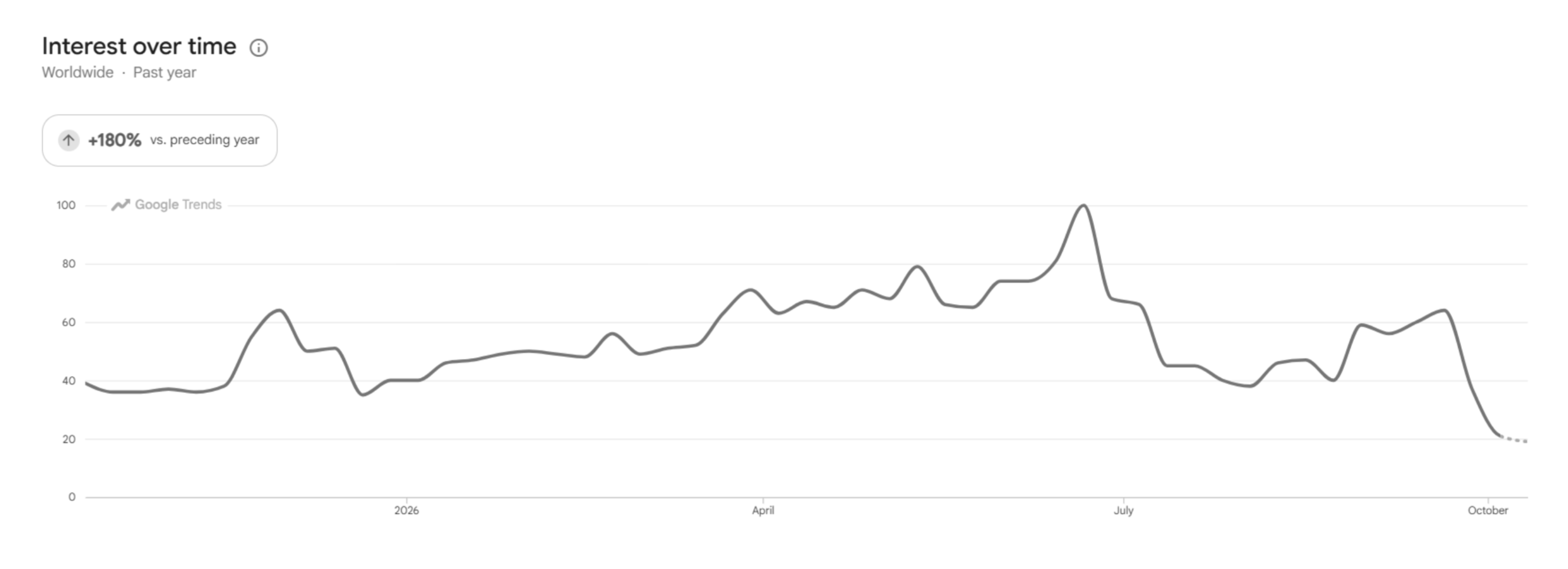
Figure 1 Global search interest in payment fraud
Search interest in payment fraud rose through spring and early summer, peaking in late June 2026. It fell back after that, with smaller increases later in the year.
The timing differed for other fraud-related searches. Interest in crypto scams was highest in late 2025, while phishing searches peaked around September 2026. These patterns give businesses a view of when different fraud topics attracted attention. Alongside reports from staff, customers and payment partners, they can help businesses keep their fraud guidance relevant.
Regulatory and industry developments*
| Date | Development | Relevance for businesses |
| 20 March 2026 | Nacha’s first phase of new fraud-monitoring requirements for the US Automated Clearing House (ACH) network took effect; wider requirements followed in June. [8] | Nacha’s first phase of new fraud-monitoring requirements for the US Automated Clearing House (ACH) network took effect; wider requirements followed in June. [8] |
| June 2026 | UK Finance published its Annual Fraud Report 2026, covering 2025 losses. [3] | Review the different risks affecting payments made by staff and payments accepted from customers. |
| 1 July 2026 | PSR published an independent evaluation of the APP reimbursement policy. [9] | Understand provider responsibilities and the scope of available protection; retain prevention controls. |
| September 2026 | Central Bank of Ireland published its 2025 payment fraud statistics. [7] | Track the value of losses alongside case numbers when assessing harm. |
*These developments provide context for the period; individual announcements are not identified as proven causes of the global peaks. The PSR evaluation estimates policy impact using different scope and timing from UK Finance’s annual loss data. [9]
Regional payment fraud search interest
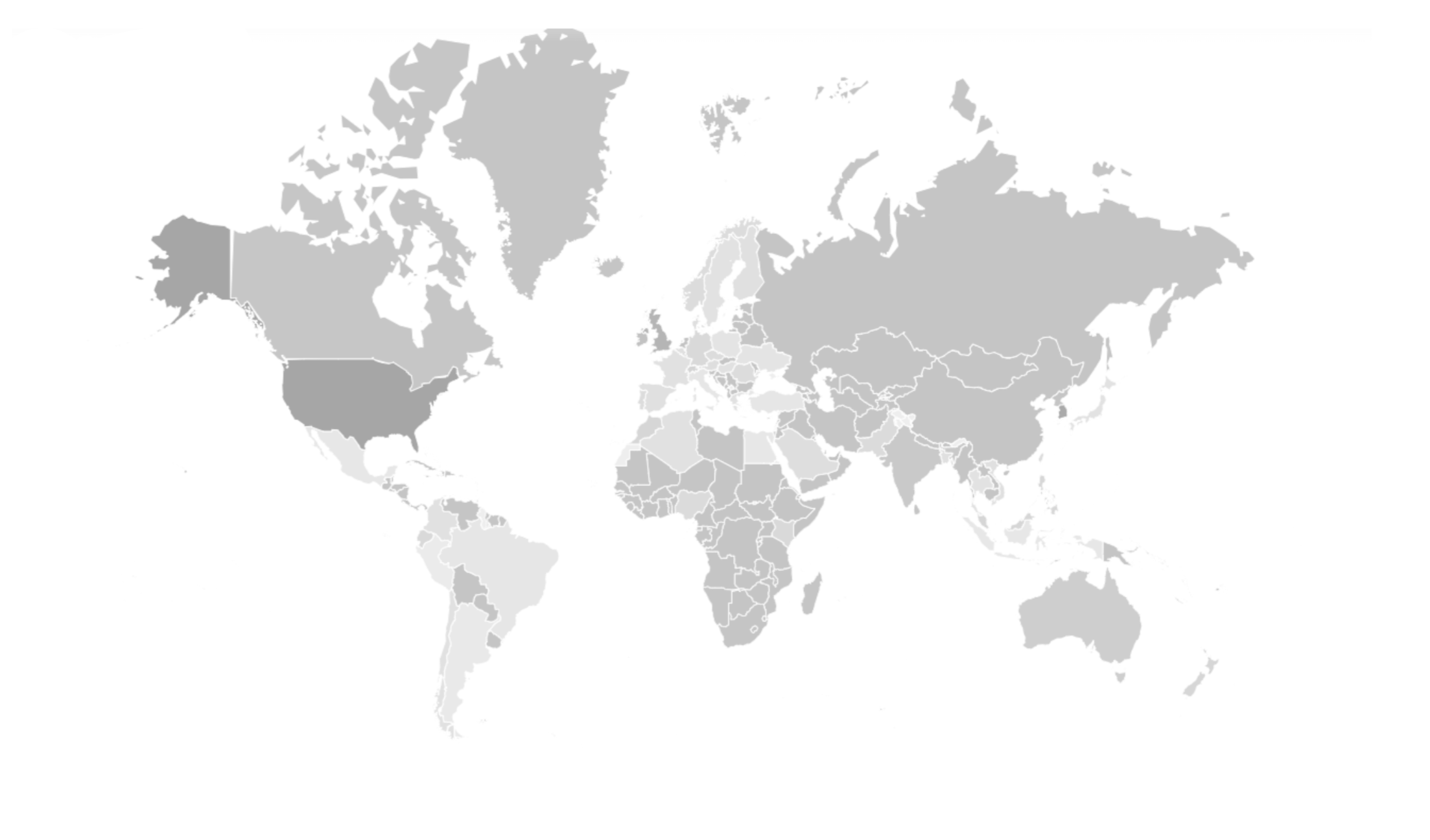
Figure 2 Relative search interest in payment fraud by location
| Rank | Country or territory | Index | Previous rank |
|---|---|---|---|
| 1 | St Helena | 100 | 1 |
| 2 | Singapore | 70 | 5 |
| 3 | United States | 49 | 3 |
| 4 | South Korea | 46 | Outside top 10 |
| 5 | United Kingdom | 39 | 2 |
| 6 | United Arab Emirates | 31 | 10 |
| 7 | Ireland | 31 | 6 |
| 8 | Netherlands | 30 | Outside top 10 |
| 9 | South Africa | 29 | 4 |
| 10 | Canada | 28 | Outside top 10 |
The index measures relative search popularity, not search totals or fraud levels. 100 is the highest relative interest in the selected locations; other scores are relative to it.
Source: Google Trends research for this edition. Previous positions: CONCRYT’s 2024-2025 report. [17]
Singapore rose three places to second, the United States remained third, and the UK moved from second to fifth. Ireland remained in the top ten, in seventh place. South Korea, the Netherlands and Canada entered the table. St Helena again had the highest regional score; Singapore was the highest-ranked sovereign country.
The wider regional picture
Search patterns vary across regions. Looking at the rankings alongside local fraud statistics provides further context on the risks facing businesses and their customers.
Singapore shows why the type of scam matters
Reported scam cases fell 27.6% in calendar 2025, and losses declined 17.9% to approximately S$913.1 million. The median loss per case nevertheless rose from S$1,389 to S$1,644. [6] The January–June 2026 update shows further overall improvement: cases fell 14.4% to 16,821, and losses fell 17.9% to S$410.6 million against the same period in 2025. Business email compromise losses rose 193.1% to S$57.3 million. For finance teams, the implication is clear: An overall improvement in national statistics does not remove the need to verify changed invoices and payment instructions. [14]
Europe and the UK
The UK, Ireland and the Netherlands feature in the payment-fraud top ten. Irish-resident payment service providers reported €179.04 million in fraudulent payments in 2025. The 27.2% increase in fraud losses in Ireland, despite only marginal growth in the number of fraudulent transactions, suggests that the average financial impact per fraudulent transaction has increased. This highlights why businesses should assess fraud severity alongside incident volumes, rather than relying on case numbers alone. [7]
Asia Pacific
Singapore appears in the top three across all five search tables, while South Korea is in every top ten. In South Korea, rules effective from 4 August 2026 widened participation in an anti-phishing information-sharing platform across financial companies, telecom providers and investigation authorities. When these different organisations pool anti-phishing information, each can spot patterns they would have missed alone. Scams span sectors, and the response needs to as well. [15]
Africa and other markets
South Africa leads the phishing index. ESET’s first-half 2026 research identifies QR-code phishing among the top ten detected threats in South Africa and Africa, providing a specific subject for staff and customer guidance. [13] For Latin America, the Middle East, North Africa and other markets, local-language searches and regional fraud reports add context to the English-language results. The United Arab Emirates also features in both the payment-fraud and AI-fraud top ten; broad regional labels should not obscure differences between markets.
WHAT THIS MEANS FOR BUSINESSES OPERATING ACROSS MARKETS
Fraud guidance is most useful when it reflects local payment habits and scam tactics. Businesses should explain which payment requests staff need to verify independently, how customers can recognise genuine communications and where suspected fraud should be reported. The rankings offer one input alongside the business’s own incidents and intelligence from its payment partners.
Fraud patterns behind the headlines
Authorised and unauthorised losses are diverging
UK Finance’s members reported £1.28 billion in payment fraud losses in 2025, up 4%. APP losses rose 19% to £576.4 million, while unauthorised losses fell 5% to £703.4 million. Investment-scam losses increased 40%, while impersonation-scam losses fell 12%. The changes point to different pressures within the overall total. [3]
APP fraud occurs when someone is deceived into authorising a transfer. For a business, that could involve an employee acting on false instructions. For an online merchant, unauthorised use of a customer’s credentials presents a different problem. Controls need to reflect the transaction and the business’s role in it.
Established accounts need attention as well as new applications
Cifas members filed more than 444,000 fraud-risk cases to the National Fraud Database in 2025, up 6%. More than 220,000 filings in January–June 2026 marked a first-half record; overall growth was around 1%. [4–5] The six-month update reports identity fraud up 9% and account takeover up 5%. Online-retail account takeover filings increased 84%. For merchants, that makes changes in established customer behaviour relevant alongside checks on new accounts. Sudden changes to contact details, delivery addresses or purchasing patterns may warrant investigation, depending on the business and its provider’s controls. [5]
AI adds new tools to familiar methods
Cifas identifies AI-enabled impersonation and manipulated documentation among its concerns. These tools can make a fabricated identity, supplier message or urgent request more convincing. The business risk sits in the action that follows releasing funds, changing account details or granting access. [4–5]
The following sections examine search interest in AI fraud and deepfakes alongside evidence of how criminals are using these tools.
The methods connect across a transaction
A phishing message can expose credentials; account takeover can enable a purchase; a mule account can receive the proceeds. Enforcement investigations show the organised infrastructure behind such activity. Businesses can respond at several points, from protecting access to contacting their bank or provider quickly after suspicious activity. [10–12]
Key fraud methods explained
These terms describe tactics, outcomes and supporting activities that can occur within the same scam. They provide a reference for the trends discussed in the report.
Social engineering and payment deception
- Authorised push payment fraud. A victim is deceived into authorising a bank transfer to an account controlled by a fraudster.
- Business email compromise. A criminal uses a compromised account, spoofed email or lookalike address to impersonate a trusted contact and redirect a payment or obtain information.
- Phishing, vishing and smishing. Deceptive digital messages, voice calls and SMS used to obtain information, access or money. Quishing uses QR codes to direct people to malicious content.
- Deepfakes and voice cloning. AI-generated or manipulated video and audio used to impersonate a person or make a false request appear credible.
- Investment and romance scams. Investment scams use deceptive investment opportunities; romance scams use fabricated relationships to obtain money or information.
Accounts, identities and proceeds
- Identity fraud and synthetic identities. Criminals misuse another person’s identity or create a fictitious one using fabricated and, in some cases, genuine personal details.
- Account takeover. An unauthorised person gains control of an existing account, potentially enabling purchases, payments or changes to account details.
- First-party fraud and refund abuse. A genuine customer deliberately misrepresents circumstances or abuses payment, refund or dispute processes for financial gain. Legitimate refunds and disputes remain part of normal customer protection.
- Money mules. People whose accounts or other facilities receive and move criminal proceeds. Some knowingly participate; others are recruited through deception.
- Crypto-related scams. Schemes that use crypto as the supposed investment, a requested means of payment or a route for moving proceeds. The deception may begin through familiar social-engineering tactics.
- Cheque fraud. Forgery, alteration or other dishonest use of cheques to obtain funds, relevant to businesses and markets that continue to use them.
Phishing search interest
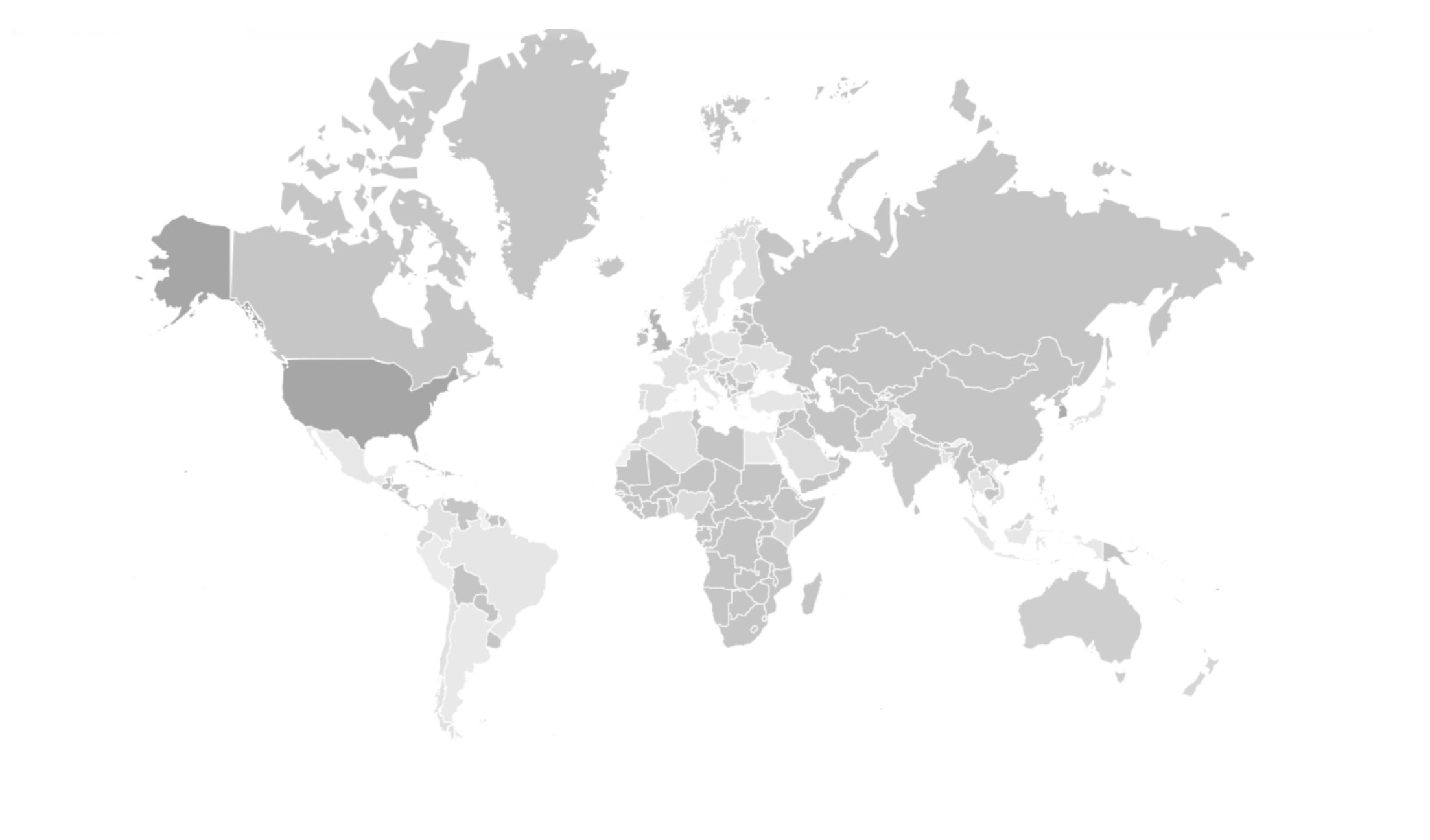
Figure 3 Relative phishing search interest by location
| Rank | Country or territory | Index |
|---|---|---|
| 1 | South Africa | 100 |
| 2 | St Helena | 95 |
| 3 | Singapore | 60 |
| 4 | Philippines | 33 |
| 5 | Australia | 32 |
| 6 | New Zealand | 32 |
| 7 | United States | 31 |
| 8 | South Korea | 30 |
| 9 | Canada | 26 |
| 10 | United Kingdom | 21 |
The index measures relative search popularity, not search totals or fraud levels. 100 is the highest relative interest in the selected locations; other scores are relative to it.
Source: Google Trends research supplied for this edition, worldwide, October 2025–October 2026.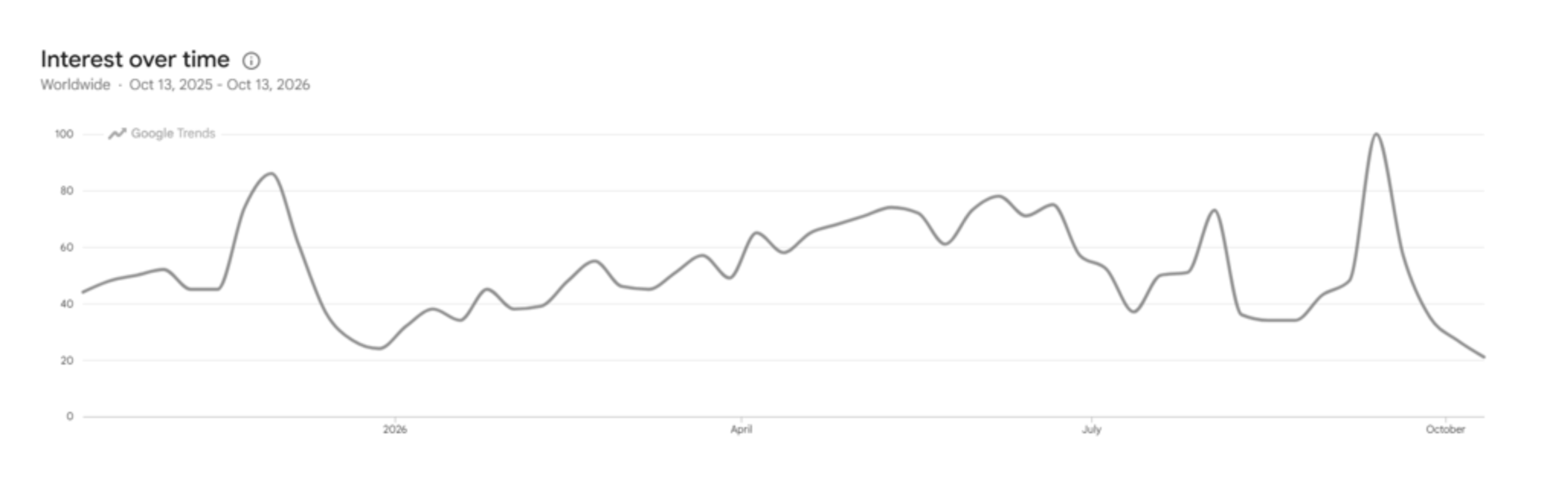
Figure 4 Global search interest in phishing scams
Phishing interest fluctuated over the year and reached its maximum around September 2026, later than the payment-fraud peak. South Africa led the regional index, followed by St Helena and Singapore. The Philippines, Australia and New Zealand also featured prominently. Singapore Police recorded 3,104 phishing cases and S$9.6 million in losses in January–June 2026, both lower than the updated same-period 2025 figures. Phishing was still the second most common scam category by case numbers. [14]
Police describe courier-impersonation messages asking for a small redelivery payment and directing victims to fake websites. ESET also highlights QR-code phishing. For businesses, guidance should cover the destination of a payment link or QR code, as well as the apparent sender of the message. [13–14]
Crypto scam search interest
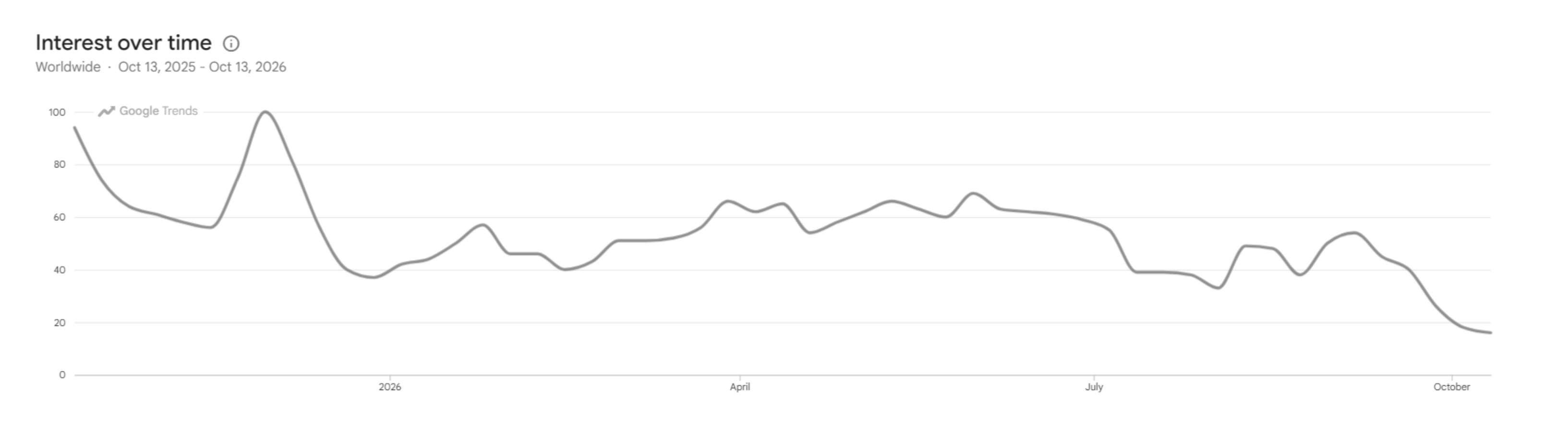 Figure 5 Global search interest in crypto scams
Crypto-scam interest was strongest early in the reporting window, with its highest point in late 2025. The rest of the year contained smaller rises before interest eased towards the end of the series. This differs from the spring and summer build-up seen in payment-fraud and AI-fraud searches.
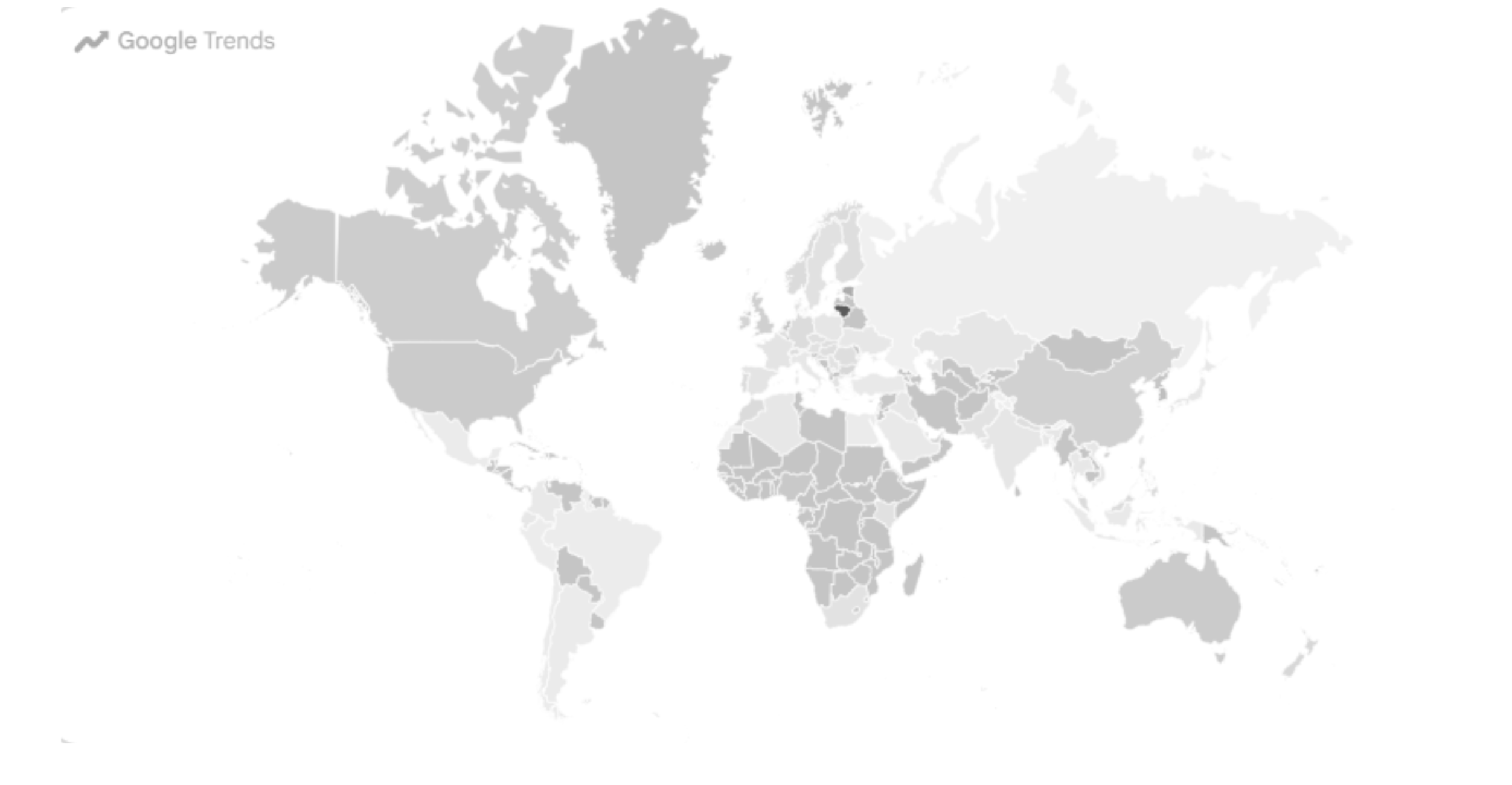
Figure 6 Relative crypto scam search interest by location
| Rank | Country or territory | Index |
|---|---|---|
| 1 | Lithuania | 100 |
| 2 | Singapore | 47 |
| 3 | Estonia | 45 |
| 4 | South Korea | 33 |
| 5 | Netherlands | 30 |
| 6 | St Helena | 28 |
| 7 | Nigeria | 26 |
| 8 | Australia | 25 |
| 9 | United States | 25 |
| 10 | Canada | 24 |
The index measures relative search popularity, not search totals or fraud levels. 100 is the highest relative interest in the selected locations; other scores are relative to it.
Source: Google Trends research supplied for this edition, worldwide, October 2025–October 2026.
Lithuania led this index, followed by Singapore and Estonia. The United States, Canada, Australia, Nigeria and Singapore appear in both this edition and the previous edition’s crypto top tens. The geographic mix supports examining crypto scams separately from the general payment-fraud term. [17]
The FBI’s 2025 data records 181,565 complaints involving cryptocurrency and US$11.37 billion in reported losses. These are complaints received by the FBI’s Internet Crime Complaint Centre (IC3), not a global estimate or a measure of losses in the highest-ranked search markets. [16]
For businesses, the practical link is the payment instruction: a fraudulent investment or impersonation can lead a victim to move funds through several channels. Teams should verify unexpected requests to change how or where money is sent, regardless of the asset involved.
AI fraud search interest
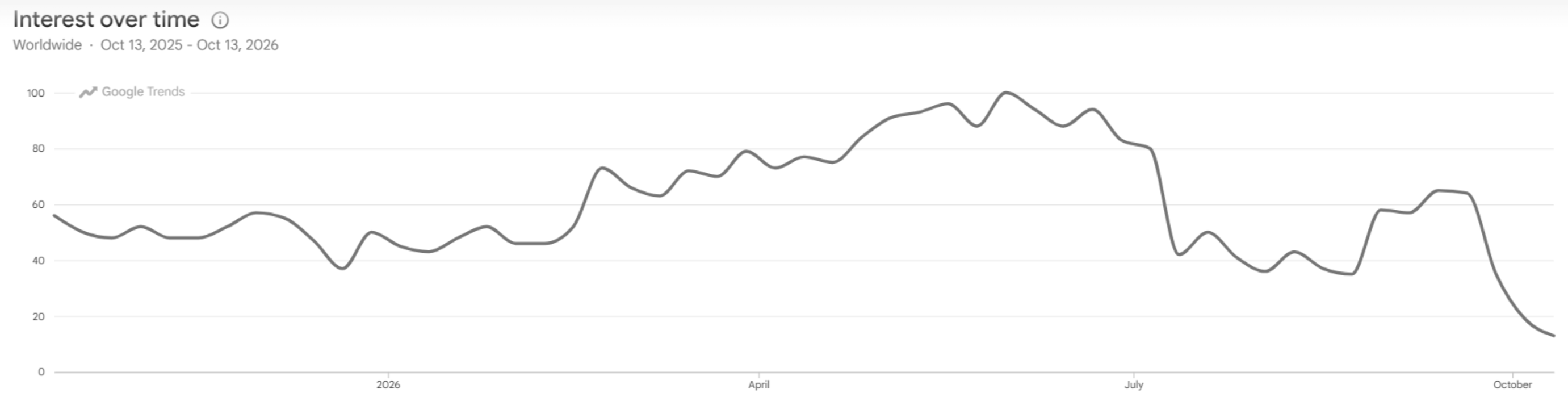 Figure 7 Global search interest in AI fraud
AI-fraud interest increased through spring, remained elevated into early summer and then fell sharply around July. Later increases did not regain the earlier maximum. The series adds a technology-specific perspective to this year’s research.
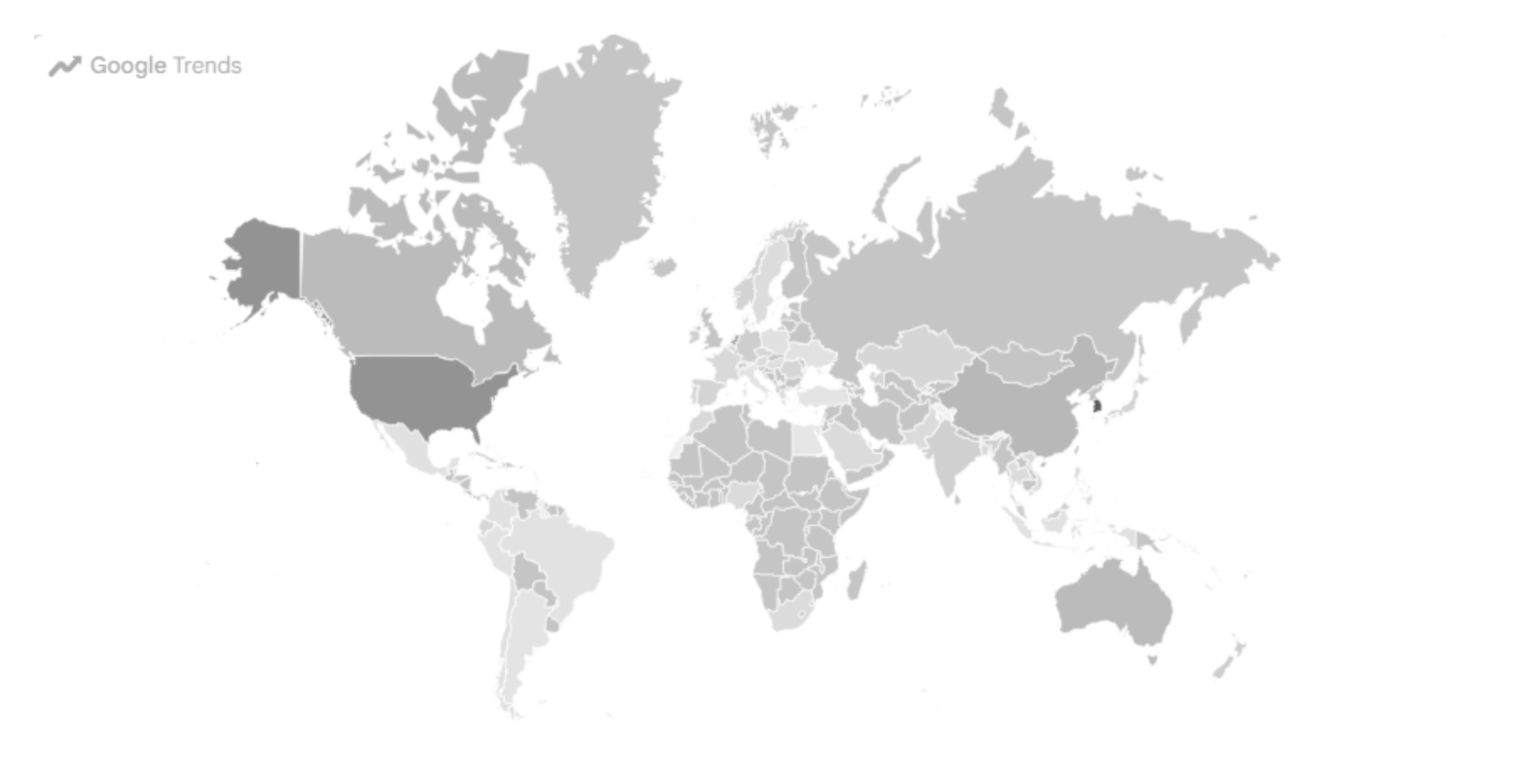
Figure 8 AI fraud search interest by location
| Rank | Country or territory | Index |
|---|---|---|
| 1 | Singapore | 100 |
| 2 | South Korea | 100 |
| 3 | United States | 61 |
| 4 | St Helena | 51 |
| 5 | Netherlands | 49 |
| 6 | China | 37 |
| 7 | Australia | 35 |
| 8 | Canada | 35 |
| 9 | United Arab Emirates | 30 |
| 10 | United Kingdom | 29 |
Singapore and South Korea share the highest score of 100. Scores show relative search interest within each country, rather than total searches or fraud levels.
Source: Google Trends research supplied for this edition, worldwide, October 2025–October 2026.
Singapore and South Korea share the highest displayed score. The United States and the Netherlands also feature prominently across the general payment-fraud, crypto-scam and AI-fraud tables. This overlap identifies markets where several of the selected topics attract attention, rather than establishing a common cause.
The FBI’s 2025 report includes 22,364 AI-related complaints with approximately US$893 million in reported losses. AI is a descriptor that can overlap other crime types; these figures should not be added to crypto or investment totals. [16]
The business response should focus on the requested action. A polished email, plausible document or fluent conversation should not bypass checks on payment approval, changes to supplier details or access to sensitive accounts.
AI deepfake search interest
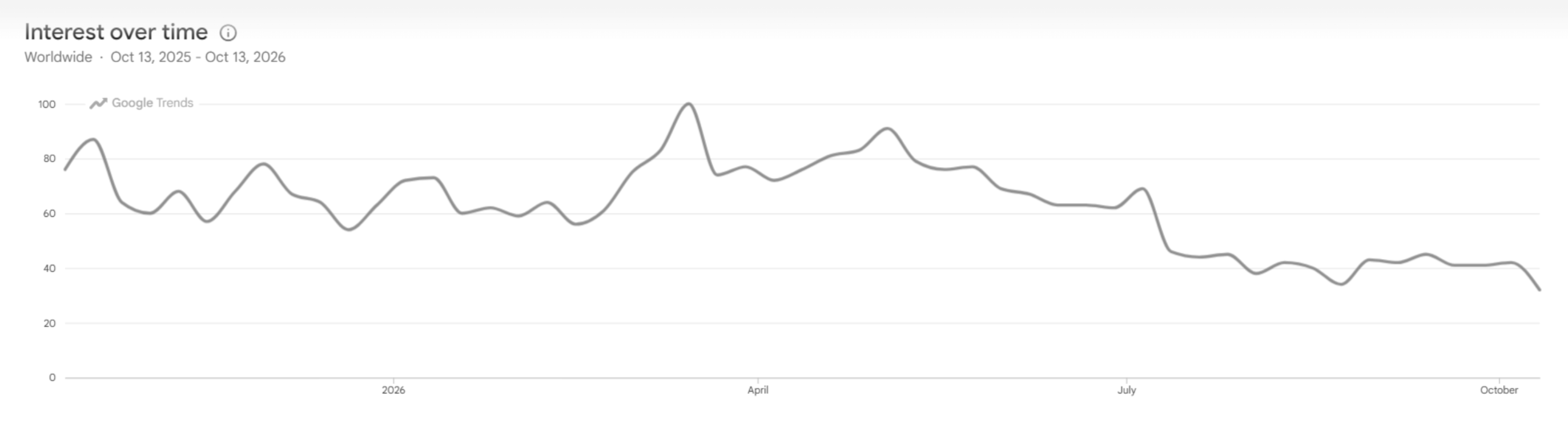
Figure 9 Global search interest in AI deepfakes
Deepfake interest reached its highest point around March 2026, with another period of elevated interest in late spring, before easing during the second half of the window. It does not follow exactly the same pattern as the broader AI-fraud series.
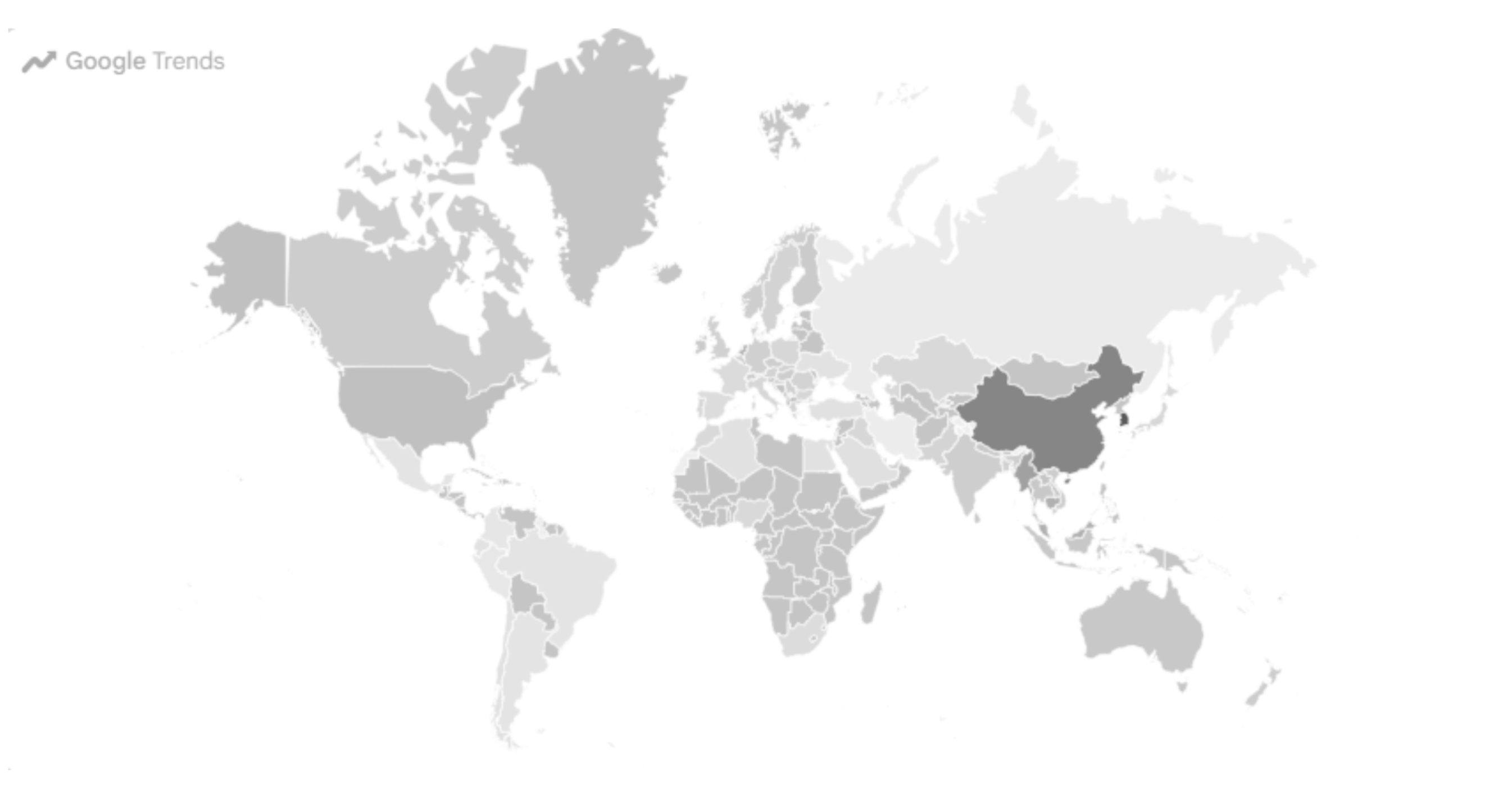
Figure 10 Relative AI deepfake search interest by location
| Rank | Country or territory | Index |
|---|---|---|
| 1 | South Korea | 100 |
| 2 | Singapore | 81 |
| 3 | China | 70 |
| 4 | Myanmar (Burma) | 52 |
| 5 | Cambodia | 42 |
| 6 | Malaysia | 42 |
| 7 | Netherlands | 40 |
| 8 | Hong Kong | 32 |
| 9 | United States | 32 |
| 10 | Taiwan | 31 |
Equal displayed scores are retained in the supplied order. The index measures relative search popularity, not search totals or fraud levels. 100 is the highest relative interest in the selected locations; other scores are relative to it.
Source: Google Trends research supplied for this edition, worldwide, October 2025–October 2026.
South Korea led the deepfake index, followed by Singapore and China. Myanmar, Cambodia, Malaysia, Hong Kong and Taiwan also featured in the top ten, giving this table a different geographic emphasis from general payment fraud.
Deepfakes have uses and harms beyond financial fraud. This search term therefore adds context on interest in synthetic media; it does not establish that all searches concern payment scams. The financial relevance is impersonation: audio or video can be used to give false payment instructions an appearance of authority. [16]
Businesses should give staff permission to pause unusual requests and verify them through an independently established contact route. The check should test the instruction, rather than rely solely on recognising a voice, face or writing style.
International enforcement and disruption
This year’s enforcement examples show fraud networks operating through staff, premises, digital infrastructure and accounts across multiple countries. Their structure helps explain why prevention and response require cooperation beyond a single business.
| Action | Reported outcome | Business relevance |
|---|---|---|
| INTERPOL First Light 2026 15 January–30 April 2026 | 5,811 arrests and US$293 million in illicit assets intercepted across 97 countries and territories. [10] | International coordination can help block illicit flows linked to social-engineering scams. |
| Dutch and Belgian investigations with Europol Reported July 2026 | Arrests and key digital infrastructure taken offline; investigators identified about 20 call centres and over 700 workers. [11] | Specialised teams and shared infrastructure support cross-border investment scams. |
| FBI, Dubai Police and Chinese authorities April 2026 | At least 276 arrests and at least nine cryptocurrency-investment scam centres dismantled. [12] | Coordinated investigations can target the people and premises behind organised schemes. |
WHAT THE INVESTIGATIONS REVEAL
The Dutch police describe a professionally organised network with teams targeting different countries. Repeated contact and convincing investment platforms helped build victims’ trust. Taking key infrastructure offline targeted the operation supporting the deception, as well as individual suspects. [11] First Light’s results also illustrate the role of stopping illicit flows. Intercepted assets are not the same as money returned to victims, and the totals from separate operations are not combined here. [10]
WHAT BUSINESSES CAN DO
Businesses should maintain clear internal escalation routes and know how to contact their bank or payment provider urgently. Records of messages, account details and payment references can support investigation. Decisions to freeze accounts, reverse payments or pursue suspects sit with the relevant providers and authorities; timely business reporting helps them assess the situation.
Conclusion and outlook
This year’s update shows how several familiar fraud methods now intersect. A convincing message can lead to a manipulated transfer; compromised credentials can open access to an established account; synthetic media can reinforce an impersonation. The new crypto and AI search analysis extends the previous edition’s coverage by examining where these related topics attract attention. Those topics overlap with other fraud categories, so the figures should not be added together, but they show that attention is spreading across more types of fraud than payment fraud alone.
WHAT THE EVIDENCE MEANS FOR BUSINESSES
The reported figures make the business implications concrete. UK APP losses increased while unauthorised losses fell. Cifas’s data highlights account takeover, including in online retail. Singapore recorded an overall fall in scams alongside a sharp rise in business email compromise losses. Prevention needs to follow those specific risks rather than rely on the overall direction of national totals. [3–6, 14]
The patterns to watch for are the balance of rising reported cases and the severity, whether account takeover growth in online retail persists, and whether AI-related descriptors appear more often in complaint data. Businesses that already verify instructions, protect established accounts and measure severity will be better placed to adapt as methods change.
Payments a business makes are exposed to deception, not just intrusion. UK APP fraud and Singapore’s BEC losses illustrate the risk of payments being authorised on the basis of fraudulent instructions. While authentication controls and fraud monitoring remain important, they should be complemented by independent verification of unusual payment requests. Businesses should confirm changes to supplier bank details through established contact channels before releasing funds.
The key control is to verify the instruction using contact details already on file before releasing funds or changing bank details.
Payments a business accepts depend on the integrity of established accounts. With online-retail account takeover up 84% in the first half of 2026, a long-standing account is not proof of a genuine customer. Merchants should watch for changes to contact details, delivery addresses or purchasing patterns, as well as checking new applications. [5]
Severity needs measuring as well as frequency. Singapore’s median loss per case rose while cases fell 27.6%, and Irish fraud losses rose 27.2% with only marginal growth in transactions. Counting incidents alone can hide rising harm, so businesses should track losses and customer impact too. [6-7]
Impersonation is getting easier to produce, so the check must test the request. Cifas flags AI-enabled impersonation and manipulated documents. A convincing voice, document or email proves little, so staff should be free to pause any unusual request and verify it through an independently established route. [4-5]
Organised networks are best countered together. The INTERPOL, Dutch and Belgian, and FBI-led operations all targeted people, premises and infrastructure across borders, and South Korea’s shared anti-phishing platform makes the same point: each party sees only part of a scam. A business can contribute early reports and records that help others connect the pieces. [10-12, 15]
For 2026–2027, the priority is to turn that understanding into decisions staff can act on: which instructions require independent verification, which account changes warrant review and who to contact when something looks wrong. Businesses should apply their own approval and access controls, while working with banks and payment providers on transaction monitoring and response.
Priorities for businesses and their payment teams
- Verify unusual supplier-payment requests and changes to bank details using contact information already held, rather than details supplied in the request.
- Review access to customer and staff accounts, including sensitive changes to contact information, credentials, refund destinations or delivery details.
- Ask payment partners which fraud signals, alerts and escalation options are available, and agree who is responsible for acting on them.
- Train staff using realistic examples of phishing, invoice redirection and AI-enabled impersonation. Make it straightforward to pause and escalate an unusual request.
- Keep a response plan with clear ownership, provider contacts and the records needed after suspected fraud. Track losses and customer impact alongside incident numbers.Verify the authenticity of information sources and communications. Double-check the credibility of sources, confirm that links lead to legitimate domains, and inspect attachments and file formats for suspicious inconsistencies before opening files, sharing sensitive information or authorising payments.
Sources
Supporting sources checked on 27 October 2026. Reporting periods are stated in the text. Google Trends charts and numerical rankings are retained from the research supplied for this edition; previous-year comparisons use the supplied 2024–2025 report.
[1] Google Trends. FAQ about Google Trends data. Index, sampling and interpretation.
[2] Google Trends. Compare Trends search terms. Search wording, languages, terms and topics.
[3] UK Finance. Annual Fraud Report 2026. Published June 2026; covers member-reported 2025 payment fraud.
Companion release: UK Finance fraud report 2026 press release
[4] Cifas. Fraudscape 2026 full-year findings. 12 March 2026; covers 2025 National Fraud Database filings.
[5] Cifas. Fraudscape 2026 six-month update. August 2026; covers January–June 2026 filings. Overall 1% growth also confirmed in the Fraudscape report portal.
Report portal: Fraudscape 2026
[6] Singapore Police Force. Annual Scam and Cybercrime Brief 2025 summary. February 2026; covers calendar 2025.
Full statistical release: Annual Scam and Cybercrime Brief 2025
[7] Central Bank of Ireland. Payment fraud increases by 27% to reach €179 million in 2025. 4 September 2026; covers Irish-resident providers’ 2025 reports.
[8] Nacha. New risk management rules now in effect. 20 March 2026; ACH fraud-monitoring phases.
[9] Payment Systems Regulator. Payment fraud falls by £73 million following reimbursement scheme. July 2026; Frontier Economics evaluation and methodological comparison with UK Finance.
[10] INTERPOL. Over 5,800 arrests and US$293 million intercepted in global fraud bust. 9 July 2026; First Light activity from 15 January to 30 April 2026.
[11] Dutch police. Criminele organisatie met 700 medewerkers. 15 July 2026; investment-fraud investigation. Dutch-language source.
[12] US Department of Justice. Coordinated takedown of scam centres leads to at least 276 arrests. 29 April 2026.
[13] ESET. Attackers are turning AI to their advantage in South Africa. 12 August 2026; H1 2026 threat research and South African commentary.
[14] Singapore Police Force. Mid-Year Scam and Cybercrime Brief 2026. 26 August 2026; January–June 2026, with updated 2025 comparators.
[15] South Korea Financial Services Commission. Anti-vishing information sharing via ASAP. 4 August 2026; expanded information-sharing rules.
[16] FBI Internet Crime Complaint Center. 2025 Internet Crime Report. Published 2026; AI and cryptocurrency complaint descriptors, covering 2025.
Companion release: Cryptocurrency and AI scams bilk Americans of billions
[17] CONCRYT. Payment fraud report 2024–2025. Previous edition supplied for this update; regional ranking comparisons